Key Questions to Ask When Visiting Dementia Care Homes
Business Name: BeeHive Homes of St George Snow Canyon
Address: 1542 W 1170 N, St. George, UT 84770
Phone: (435) 525-2183
BeeHive Homes of St George Snow Canyon
Located across the street from our Memory Care home, this level one facility is licensed for 13 residents. The more active residents enjoy the fact that the home is located near one of the popular community walking trails and is just a half block from a community park. The charming and cozy decor provide a homelike environment and there is usually something good cooking in the kitchen.
1542 W 1170 N, St. George, UT 84770
Business Hours
Families typically arrive at a tour with a knot in the stomach and a list of hopes. They desire a location where their parent is safe, however not confined. They want personnel who truly understand the individual, not just the diagnosis. They also need a contract that will not shock them when care requires rise. A great tour can respond to those requirements, if you understand where to look and what to ask.
What an excellent tour really reveals
A polished lobby and a fresh coat of paint do not tell you much about dementia care. The meaningful signals are more regular: how quickly an employee notifications a resident at threat of roaming towards the exit, whether a assisted living Beehive Homes of St George - Snow Canyon caregiver kneels to a resident's eye level when speaking, if the schedule flexes to the individual instead of the person being bent to the schedule. Take note of rhythm. Do citizens seem hurried, or do staff allow time for choices? Do you hear genuine conversation, or only task-focused commands?

Touring is your possibility to see the home's culture in movement. Ask concerns, but also demand to observe little things up close, like a medication pass or a mealtime in the memory care dining room. The best neighborhoods invite this level of transparency since they are proud of their routines.
Before you go: align needs, spending plan, and timing
Families often lose weeks exploring places that do not fit the real requirements. A short calibration before you step inside conserves time and heartache. Talk candidly with the primary physician and any home health nurse who knows your loved one. Name the day-to-day realities: incontinence, exit looking for, sleep reversal, sundowning, swallowing issues, falls, aggression activated by bathing. A community that shines for moderate amnesia may not be equipped for late-stage dementia or intricate medical care.
Use this brief checklist to prepare, and bring responses on tour:
- Current diagnoses and leading three care challenges
- List of medications and who prescribes them
- Mobility status, current falls, and assistive devices
- Budget range and funding sources, including long-term care insurance coverage or veterans benefits
- Preferred hospital, hospice, and medical care relationships
Having these details visible assists the neighborhood offer specific answers, not vague reassurances. It likewise lets you compare apples to apples when you review fees and care tiers.
Staffing and training: who is genuinely doing the work
Most of memory care is human work. Ratios matter, however they do not tell the entire story. Request for normal staffing by shift for the dedicated dementia care unit: day, night, and over night. Many neighborhoods report varieties like 1 caretaker for 6 to 8 locals during the day, 1 for 8 to 10 in the evening, and 1 for 12 to 15 over night, with a nurse either on-site or on-call. Listen for how they deal with call-offs and surges in requirement. A posted ratio suggests little if it collapses every weekend.
Ask about training content, not just hours. State minimums may be 8 to 12 hours annually, which hardly covers the basics. Strong programs go deeper: recognizing and avoiding delirium, nonpharmacologic methods to distress, safe transfers for contractures, interaction methods for aphasia, and trauma-informed care. Request examples of recent trainings and who participated in. If they utilize company personnel, how do they orient them to resident histories and behavioral care plans?
Probe guidance. A flooring nurse who is likewise covering two other systems can not coach caregivers in the moment. Ask, during a normal afternoon, who can action in to lead a de-escalation or change PRN medications if a resident is pacing and tearful.
Care preparation and scientific oversight
Your loved one is more than a set of jobs. The care plan should reflect that. Ask how the preliminary assessment is carried out and who takes part. A strong method consists of input from nursing, activities, dietary, the household, and, when possible, the resident. Ask how quickly they complete the first care strategy after move-in. Forty-eight to seventy-two hours is a sensible target, with an official review at 30 days.
Inquire about physician coverage. Some memory care neighborhoods partner with a devoted geriatrician or advanced practice supplier who rounds weekly or biweekly. Others depend on outdoors medical care visits. There is no single right model, however clarity matters. Who manages emerging issues like a presumed urinary system infection on a Sunday night? How are labs drawn? Can they administer intramuscular injections on-site? If they point out telehealth, ask how they take vital signs and who facilitates the visit. A good answer consists of ready pre-visit notes and a method to perform orders promptly.
Medication management deserves a deep dive. View a med pass if permitted. Are medications crushed securely when required, and are permission and drug store guidance recorded? How do they track rejections? Request their last survey's medication error rate and how they resolved it. Even if they do not share numbers, their desire to discuss quality indications tells you a lot.
Safety you can feel, not simply see
Locked doors are not the only indication of a safe dementia care system. Look at sightlines. Personnel must have the ability to see typical locations without leaving one resident alone in a corner. Check for purposeful style: contrasting colors on restroom fixtures so depth understanding issues do not cause falls, easy signs with both words and images, floor covering with low glare to decrease the impression of wet areas. If the building utilizes alarms, test one. How quickly do personnel respond to a door chime or a wearable alert? Under 60 seconds in common areas is a strong standard; longer reactions call for follow-up questions.
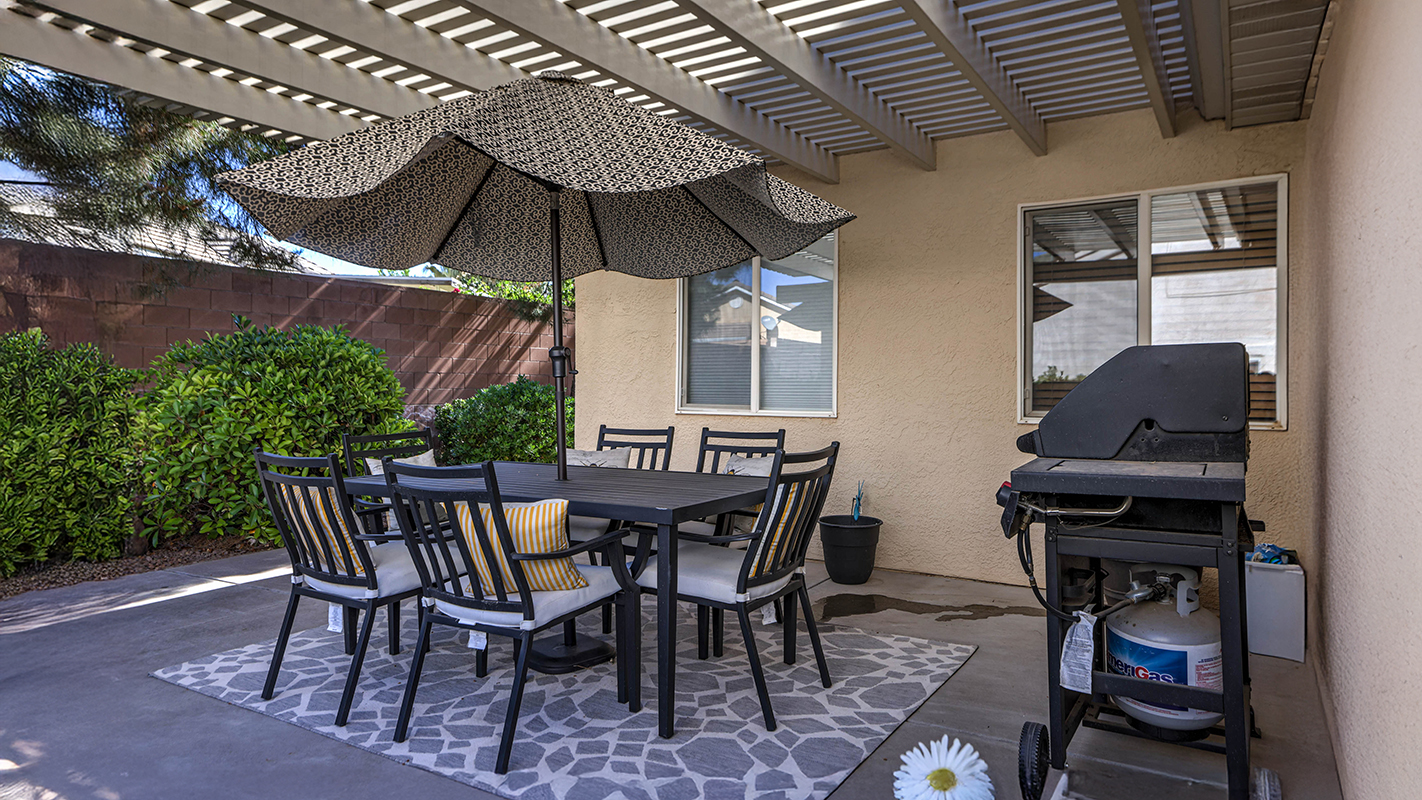
Outdoor space is not a high-end. Ask how typically residents go outside and who supervises. A fenced garden that nobody uses is not significant. Look for chairs with arms for much easier sit-to-stand, shaded paths, and something to do with hands, such as raised planters or a bird feeder. Ask how they manage heat waves or poor air quality days.
Fire safety and elopement strategies should be more than binders on a rack. Ask for a plain-language description of their last genuine occurrence and what altered because of it. You are not seeking excellence; you are seeking a culture that learns.
Daily life: rhythm, choice, and purpose
In a great dementia care setting, the day has a gentle structure with space for a person's long-held habits. Ask to see the day's activity calendar, then compare it to reality in the living room. Are people dozing while a staff member flips through a binder, or do you see small groups with customized jobs? Activities require not be elegant. Folding towels, matching socks, sanding a block of wood, reading the sports page aloud, or listening to music from the right decade can all be healing. The question is whether personnel can align the best activity with the right person at the right time.
Look at mornings. Citizens with dementia frequently have a hard time most with bathing and dressing. Ask how they ease this, especially for someone who resists showers. Listen for techniques such as warm towels, detailed cueing, alternate bathing days, familiar music, and enabling a resident to assist with their own care even if it takes longer. Time pressure is the opponent here.
Sleep patterns reveal the health of the unit. If your father wakes at 4 a.m. Every day from years on a farm, can the team offer coffee, a quiet walk, and safe guidance instead of demanding a standard wake time? If nights are chaotic, you will notice it in the staff's faces by 10 a.m.
Food, hydration, and dignity at the table
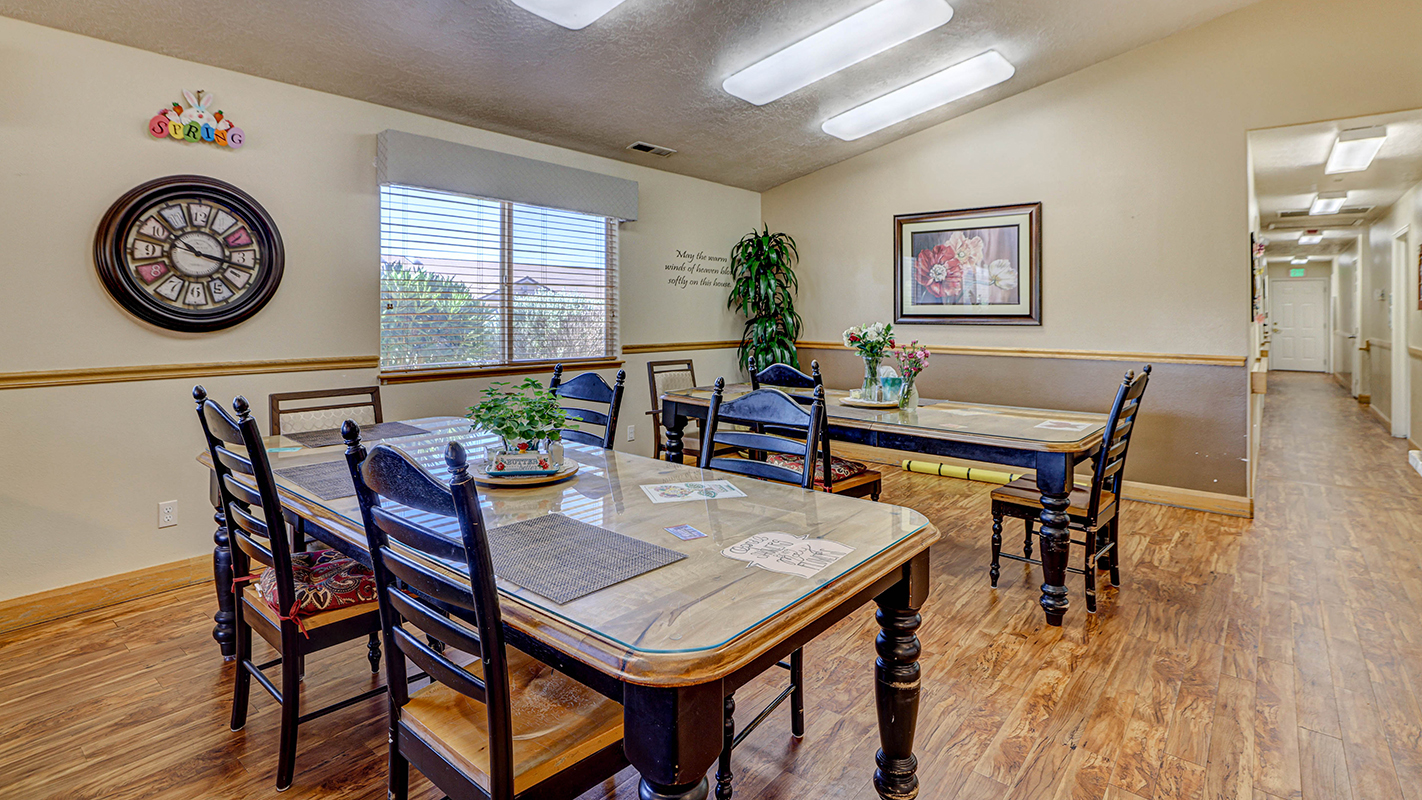
Meal times are windows into culture. Sit in if you can. Is the space calm enough for somebody with sensory overload to consume? Are plates in colors that contrast with food, so visual deficits do not cut intake? Ask whether they utilize adaptive utensils and plate guards without making an individual feel singled out. If your mother has actually reduced weight, request to see their fortified treats and between-meal hydration regimen. Sipping from a favorite mug, shakes with included protein, finger foods for those who speed, and little, frequent offers often beat large, official meals.
Texture-modified diets need ability. Observe how they plate pureed foods. Do they look appealing, or like scoops on a tray? If a resident coughs during the meal, does staff understand the swallow strategy and how to respond without shaming? Ask how they train brand-new hires on dysphagia and choking action. If they utilize thickened liquids, who sets the level and who examines adherence?
Families stress over alcohol. Bring it up if pertinent. Some communities allow a monitored glass of wine; others do not. The best response is the one that fits safety and the individual's worths, with clear documentation.
Behavioral assistance without reflex to restraints
Distress behaviors are interaction, not "acting out." Explore how the group reads those signals. Ask for a story of a resident who routinely called out or attempted to leave. What did they attempt initially? Strong programs start with triggers and patterns: pain, infection, monotony, irregularity, medication side effects, overstimulation, grief. They change environment and routine before requesting psychotropics.
Ask who can buy PRN antipsychotics, how typically they are utilized, and what the review process looks like. Numerous regions require gradual dosage reductions and month-to-month reviews; compliance appears in how rapidly they can describe their information and oversight. Physical restraints in dementia care are rare and generally improper, but the edges can be gray, like lap belts or "scoop" chairs. Ask how they define restraint, how they seek authorization, and what alternatives they try.
When an acute crisis happens, where do they send out locals? Some locations have geriatric psychiatric systems; others count on emergency situation departments. Neither path is easy. Ask what personnel carries out in the first thirty minutes of a crisis and who stays with the resident throughout transfer. Compassion throughout the worst moments matters as much as any amenity.
Family participation and real-time communication
Families are not visitors; they are partners. Ask how typically the team will proactively call you, and what activates a same-day upgrade. Examples consist of a fall, a brand-new skin tear, rejection of three or more meals, a new medication, or a significant modification in state of mind. If they use a household app, ask what is recorded there versus what still requires a direct call. Technology helps, but it does not change judgment.
Request the schedule of care plan conferences. Quarterly is common, however regular monthly check-ins during the first 90 days frequently make the difference between a rocky move and a stable one. Ask whether you can leave brief notes about biography, chosen music, or convenience items. A binder of "About Me" pages works just if personnel in fact reads it. Watch whether caregivers can inform you 3 individual realities about locals in the space. If not, paperwork is not reaching the floor.
Visiting hours and versatility matter. If nights are your only time, will staff welcome you, or does the unit closed down at 5 p.m.? If you want to take your partner out for a drive, what is the sign-out process and how do they prepare medications or snacks?
Pricing, contracts, and what changes your bill
Memory care pricing is hardly ever basic. Some communities offer all-inclusive rates, others use tiered care levels, and many layer task-based costs on top of base rent. Ask for a blank agreement and a sample statement that matches your loved one's profile. Then create scenarios. If your father starts to require two-person transfers, what fee is included? If your mother establishes insulin-dependent diabetes, who handles injections and at what cost? Clarify who spends for incontinence materials, injury dressings, and transport to outdoors appointments.
Expect memory care to cost more than basic senior care assisted living, offered the staffing strength. In numerous regions, private-pay memory care ranges from the low $5,000 s to over $10,000 per month, with metropolitan areas often at the top of the variety. Complete sounds soothing, but verify what "all" indicates. Ask what would require a transfer to a higher-acuity setting. Some homes can not handle feeding tubes, sliding-scale insulin, or consistent exit seeking with aggressiveness. Calling those thresholds now spares you a crisis later.
If you expect a short-term requirement, ask about respite care. Respite stays, typically 14 to 1 month, can cost more per day, but they let you evaluate the fit and recover as a caretaker. Clarify whether respite locals receive the same staffing and activity access as full-time homeowners and how transitions to permanent positioning work.
Transitions, hospitalization, and the last chapter
No one likes to think of it during a tour, but you should. Disease and decline belong to dementia. Ask how the community manages hospital transfers. Do they send out a team member or a comprehensive packet with medication lists, baseline habits, and interaction needs? The goal is to minimize delirium and prevent return visits. In some areas, on-site x-ray and laboratory services reduce preventable health center trips; ask what is available.
Hospice can be a gift for late-stage dementia, adding nursing, social work, spiritual care, and equipment support. Not every dementia care community partners well with hospice. Ask the number of current residents get hospice, where they die, and what comfort measures are common. A great answer includes household existence at odd hours, familiar music, mouth look after convenience, and personnel who comprehend terminal restlessness. If a location sounds squeamish about this stage, believe twice.
Special situations: young-onset, language, culture, and couples
Not all dementia looks the same. Young-onset cases might provide with more physical strength, various habits profiles, and social needs that do not fit a traditional bingo calendar. Ask whether they have looked after homeowners under 65 and what they changed to support them. Language and culture likewise shape life. If your parent speaks little English now, can the team interact standard needs and convenience? Are there bilingual staff members on every shift, not just daytime? Food, vacations, music, and faith practices need to match the individual whenever possible.
Couples face a difficult compromise. Some neighborhoods permit a partner to live on the dementia care unit; others keep memory care different. Inquire about mixed-level alternatives, such as adjacent spaces throughout care levels, and how rates works for the well spouse. Clearness here saves discomfort later.
What your senses get: little warnings worth heeding
You will take in more than you recognize throughout a walk-through. Train your senses to notice these cues:
- Staff discussing homeowners or describing them as "feeders" or "two-persons"
- Long wait times after a call bell or visible uneasyness without engagement
- Strong odors that linger in several locations, not simply briefly in a bathroom
- A calendar filled with activities that do not match what citizens are really doing
- Defensive responses when you request data on falls, medication errors, or turnover
None of these alone is a deal-breaker, however taken together they sketch a pattern. A positive team responses hard concerns without flinching and welcomes you back at an unannounced time to see for yourself.
Comparing homes after numerous tours
After 3 or four tours, information blur. Document observations the same day. What did personnel call residents, by name or "darling"? Did anyone inquire about your parent's life before the illness? Did a manager appear on the flooring and interact naturally, or only during the scripted meet-and-greet? Note sensory impressions at meals, hallway sound, and lighting. If you can, return at a different hour, such as late afternoon when sundowning can peak. A neighborhood that feels calm at 10 a.m. May run hot at 5 p.m.
Align your notes to the individual's values. If your mother always kept a garden, a vibrant yard and day-to-day outdoor strolls may outweigh newer furniture. If your father prized personal privacy, a quieter wing with smaller sized dining rooms might matter more than group activities. Cost still counts, but remember that a neighborhood that avoids one hospitalization or one major fall can balance out greater month-to-month costs, both economically and emotionally.
Questions that open doors to real answers
Well-framed questions trigger particular, truthful replies. Rather of "Do you manage habits?", try "Inform me about a recent afternoon when a resident attempted to leave. What did you attempt first, and who concerned assist?" Rather than "Is your staff trained?", ask "What was last month's dementia training topic, and how do you examine whether it changed practice on the floor?" Change "Are you safe?" with "When was the last time a resident left a secured location without approval, and what changed later?"
Ask to meet the people who will matter daily: the med tech who covers nights, the assistant who drifts overnight, the activities lead, and the dining supervisor. Managers want to state yes; your loved one needs the specialists who will appear at 7 p.m. On a Sunday.
When you are still unsure, attempt a trial
If the community offers respite care, think about a brief stay. Two to four weeks can reveal whether your loved one settles in, consumes, sleeps, and engages. Make it a true test: send favorite clothes, usual toiletries, and a brief life story with cues that operate at home. Drop in at varied times. If the group collaborates with you throughout respite, irreversible positioning frequently feels less like a leap and more like a step.
For household caregivers balancing home care and placement
Many families utilize home care as long as possible. That is a legitimate path, especially with a trustworthy assistant and a supportive adult day program. Keep an eye on caregiver pressure, night safety, and medical complexity. If you are up twice nighttime, handling incontinence, and fielding daytime calls from neighbors about roaming, the threat at home might now exceed the danger of a relocation. An excellent dementia care community does not replace love; it covers expert structure around it.
Memory care within senior care schools varies commonly. Some operate as little, purpose-built neighborhoods with 12 to 20 residents and dedicated groups. Others are units inside bigger buildings where personnel float. Small can be great for familiarity, but it can likewise suggest fewer on-site nurses after hours. Big can bring more scientific resources and therapy services, but it runs the risk of privacy. Match the model to your parent's needs, not to marketing language.
The bottom line: what you are looking for
You are looking for a place that deals with dementia care as a craft constructed from numerous small, repeatable acts. The best home answers detailed concerns without hedging, invites observation, and reveals you how they adjust care to the individual when the person can not adjust to the disease. Your tour is not about capturing them out; it is about discovering partners you rely on with the hardest task you have ever had.
Keep your notes, compare them against your loved one's values, and give yourself time to feel the fit. The ideal neighborhood will make itself known in the way staff welcome residents by name, stick around for one more joke at the table, and notice when somebody's eyebrow furrows before distress arrives. That is the texture of excellent care, and you can acknowledge it when you stroll through the door.
BeeHive Homes of St George Snow Canyon provides assisted living care
BeeHive Homes of St George Snow Canyon provides memory care services
BeeHive Homes of St George Snow Canyon provides respite care services
BeeHive Homes of St George Snow Canyon offers 24-hour support from professional caregivers
BeeHive Homes of St George Snow Canyon offers private bedrooms with private bathrooms
BeeHive Homes of St George Snow Canyon provides medication monitoring and documentation
BeeHive Homes of St George Snow Canyon serves dietitian-approved meals
BeeHive Homes of St George Snow Canyon provides housekeeping services
BeeHive Homes of St George Snow Canyon provides laundry services
BeeHive Homes of St George Snow Canyon offers community dining and social engagement activities
BeeHive Homes of St George Snow Canyon features life enrichment activities
BeeHive Homes of St George Snow Canyon supports personal care assistance during meals and daily routines
BeeHive Homes of St George Snow Canyon promotes frequent physical and mental exercise opportunities
BeeHive Homes of St George Snow Canyon provides a home-like residential enviroMOent
BeeHive Homes of St George Snow Canyon creates customized care plans as residents’ needs change
BeeHive Homes of St George Snow Canyon assesses individual resident care needs
BeeHive Homes of St George Snow Canyon accepts private pay and long-term care insurance
BeeHive Homes of St George Snow Canyon assists qualified veterans with Aid and Attendance benefits
BeeHive Homes of St George Snow Canyon encourages meaningful resident-to-staff relationships
BeeHive Homes of St George Snow Canyon delivers compassionate, attentive senior care focused on dignity and comfort
BeeHive Homes of St George Snow Canyon has a phone number of (435) 525-2183
BeeHive Homes of St George Snow Canyon has an address of 1542 W 1170 N, St. George, UT 84770
BeeHive Homes of St George Snow Canyon has a website https://beehivehomes.com/locations/st-george-snow-canyon/
BeeHive Homes of St George Snow Canyon has Google Maps listing https://maps.app.goo.gl/uJrsa7GsE5G5yu3M6
BeeHive Homes of St George Snow Canyon has Facebook page https://www.facebook.com/Beehivehomessnowcanyon/
BeeHive Homes of St George Snow Canyon won Top Assisted Living Homes 2025
BeeHive Homes of St George Snow Canyon earned Best Customer Service Award 2024
BeeHive Homes of St George Snow Canyon placed 1st for Senior Living Communities 2025
People Also Ask about BeeHive Homes of St George Snow Canyon
How much does assisted living cost at BeeHive Homes of St. George, and what is included?
At BeeHive Homes of St. George – Snow Canyon, assisted living rates begin at $4,400 per month. Our Memory Care home offers shared rooms at $4,500 and private rooms at $5,000. All pricing is all-inclusive, covering home-cooked meals, snacks, utilities, DirecTV, medication management, biannual nursing assessments, and daily personal care. Families are only responsible for pharmacy bills, incontinence supplies, personal snacks or sodas, and transportation to medical appointments if needed.
Can residents stay in BeeHive Homes of St George Snow Canyon until the end of their life?
Yes. Many residents remain with us through the end of life, supported by local home health and hospice providers. While we are not a skilled nursing facility, our caregivers work closely with hospice to ensure each resident receives comfort, dignity, and compassionate care. Our goal is for residents to remain in the familiar surroundings of our Snow Canyon or Memory Care home, surrounded by staff and friends who have become family.
Does BeeHive Homes of St George Snow Canyon have a nurse on staff?
Our homes do not employ a full-time nurse on-site, but each has access to a consulting nurse who is available around the clock. Should additional medical care be needed, a physician may order home health or hospice services directly into our homes. This approach allows us to provide personalized support while ensuring residents always have access to medical expertise.
Do you accept Medicaid or state-funded programs?
Yes. BeeHive Homes of St. George participates in Utah’s New Choices Waiver Program and accepts the Aging Waiver for respite care. Both require prior authorization, and we are happy to guide families through the process.
Do we have couple’s rooms available?
Yes. Couples are welcome in our larger suites, which feature private full baths. This allows spouses to remain together while still receiving the daily support and care they need.
Where is BeeHive Homes of St George Snow Canyon located?
BeeHive Homes of St George Snow Canyon is conveniently located at 1542 W 1170 N, St. George, UT 84770. You can easily find directions on Google Maps or call at (435) 525-2183 Monday through Sunday 9:00am to 5:00pm
How can I contact BeeHive Homes of St George Snow Canyon?
You can contact BeeHive Homes of St George Snow Canyon by phone at: (435) 525-2183, visit their website at https://beehivehomes.com/locations/st-george-snow-canyon, or connect on social media via Facebook
Take a short drive to the Red Cliffs Mall . Red Cliffs Mall offers a climate-controlled environment that makes shopping comfortable for residents in assisted living or memory care during respite care visits.